
How to Choose Sustainable and Eco-Friendly Flowers
22nd Apr 2026
Have you ever taken time to think about where your flowers come from? It’s not just a question of which florist the flowers were purchased from, but also where the individual stems were sourced. And beyond the country of origin, there is the question of whether the blooms were grown using sustainable practices.
Every year, more people work to lower their environmental impact. As this trend grows, it becomes more affordable and more realistic to purchase gifts and decorations that have a positive or neutral impact on the world. Responsibly sourced flowers are a great example of this trend.
Choosing earth-friendly flowers doesn’t mean sacrificing quality or style. In fact, many sustainable options are fresher, more seasonal, and they are designed with more care. In this guide, we’ll explain the factors that contribute most to sustainability, how to identify eco-friendly flowers, and what to look fro when working with a florist who values environmentally responsible practices.
What Are Sustainable Flowers?
Sustainable flowers are sourced and arranged in ways that minimize environmental harm while supporting responsible farming and production practices.
A lot goes into those two factors. Responsible growers reduce the use of harmful pesticides in their plants, conserve water and energy while growing, and use biodegradable or recyclable packaging. Regional suppliers and florists try to source their flowers locally or from as close a location as possible.
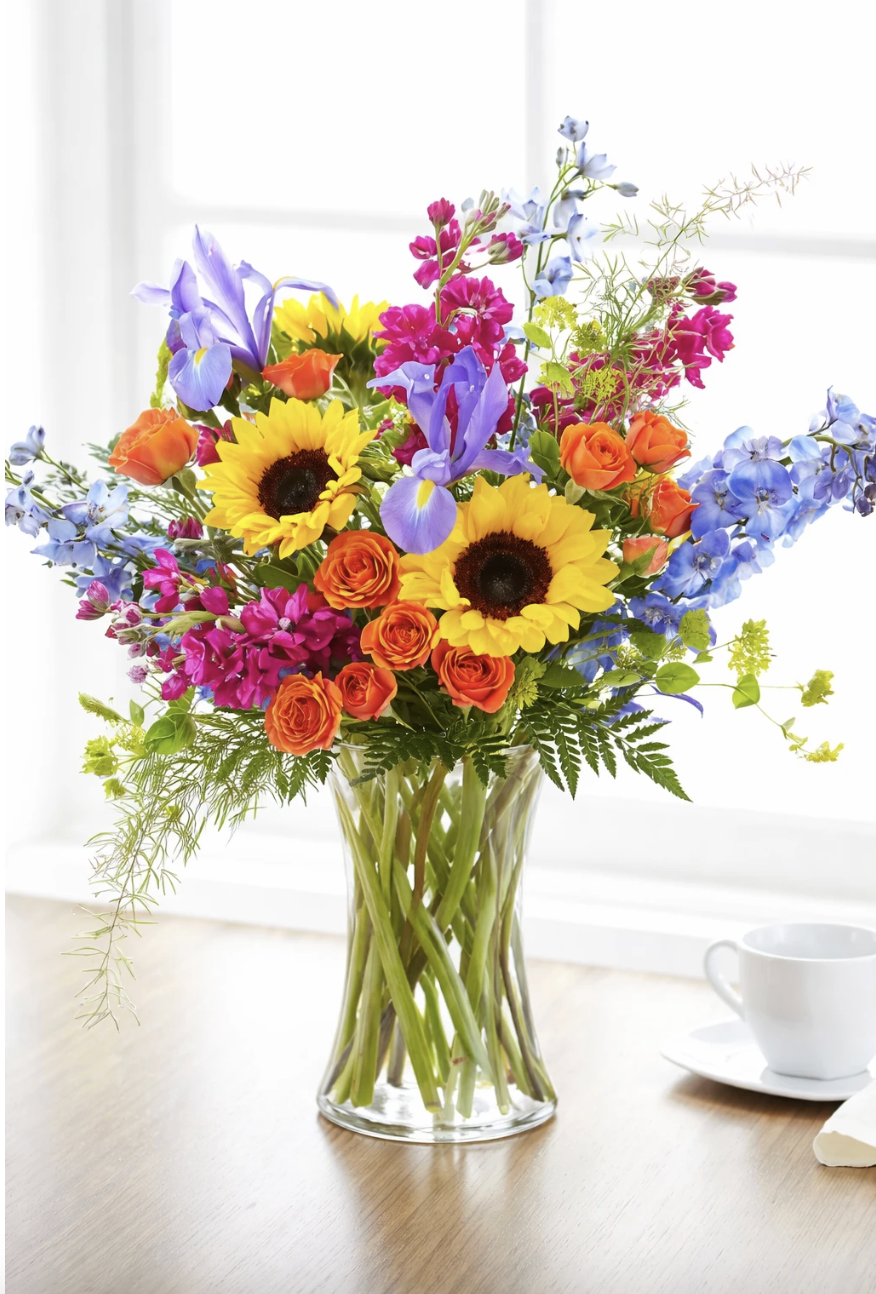
Not all flowers are created equal. Some flowers are grown overseas and transported long distances, while others are intentionally grown closer to home. Whenever you choose sustainable flowers, you support a system that prioritizes quality and environmental responsibility. As a bonus, the flowers you get will often be fresher and more in tune with local growing seasons.
The Role of Organic Flowers in Sustainability
Nowadays, it’s common to see flowers labeled as “organic.” However, few people fully understand what that designation means.
The word “organic” is more commonly applied to food, but it works for flowers as well. Organic flowers are grown without synthetic pesticides or fertilizers. Growers replace these harmful practices with natural processes and materials that maintain healthy crops.
Because of their lack of harmful chemicals, choosing organic flowers protects your home from chemical exposure while supporting environmentally responsible farming and healthier outdoor ecosystems.
It’s also worth noting that organic does not always mean “perfect-looking.” Slight variations in size, shape, or color are part of what makes these flowers feel natural and unique.
What Makes Flowers Eco-Friendly?
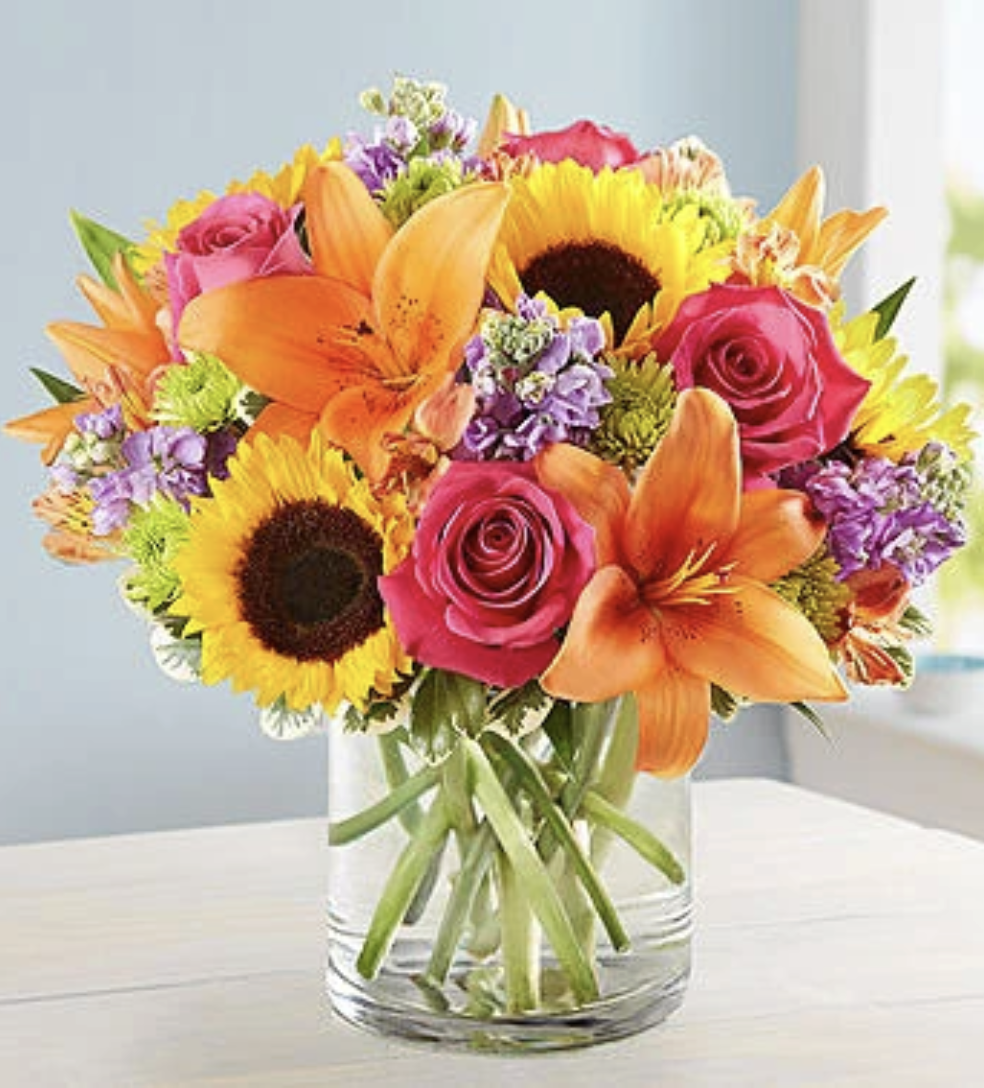
There is a lot of crossover between something that’s considered eco-friendly and something organic. It all comes down to how the flowers are transported and arranged.
A bouquet is considered eco-friendly if it uses recyclable or biodegradable packaging, avoids floral foam, and features seasonal blooms that require fewer resources to produce. Florists who prioritize eco-friendly flowers often rethink traditional design methods to reduce waste. This might include using alternative mechanics instead of foam or selecting materials that can be composted or reused.
Transportation is another huge factor in relative eco-friendliness between different kinds of flowers. Flowers that are grown close to where they’re sold have a smaller carbon footprint because they do not have to stay in the truck as long as those from farther away.
How Professional Florists Support Sustainable Practices
Working with a professional florist takes most of the sustainability burden off your shoulders. Many florists are already taking steps to reduce their environmental impact, even if it’s not always visible at first glance. These steps can be anything from partnering with local flower farms to simply offering advice on choosing eco-conscious options.
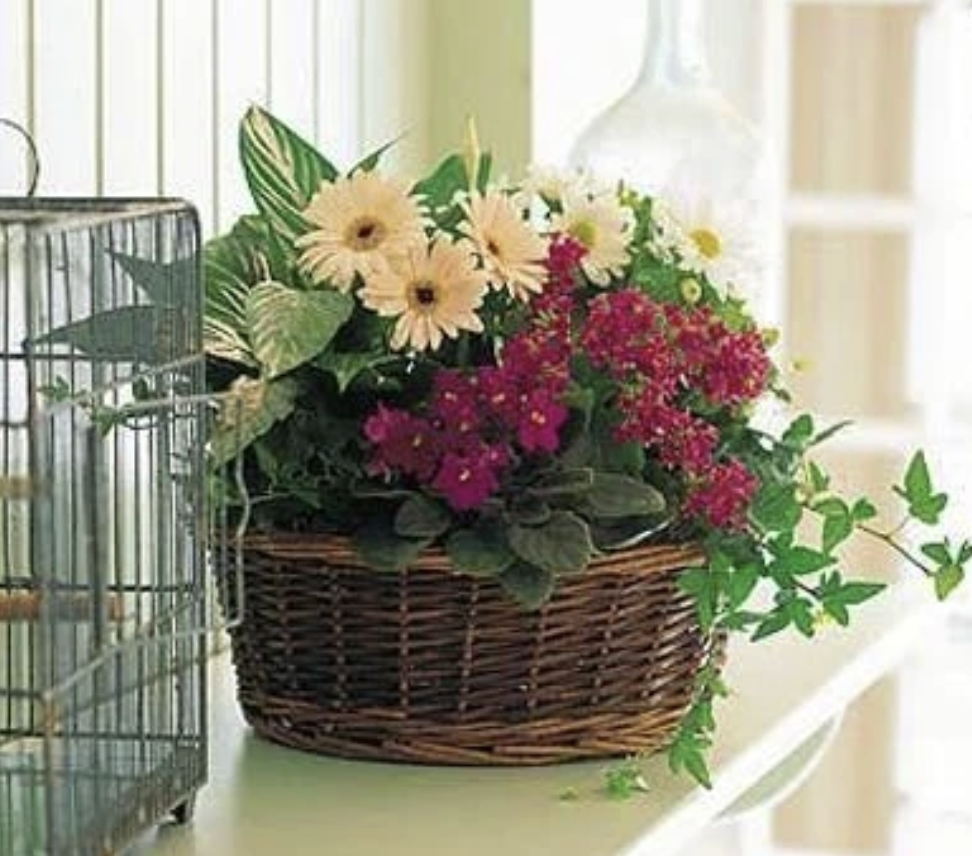
If sustainability matters to you, don’t hesitate to ask questions. Even if your florist doesn’t specialize in sustainable arrangements, they can probably help you find flowers and suppliers that fit your environmental needs.
Simple Ways to Make Sustainable Choices
Even small changes can make big differences for sustainability. If you’re looking to make environmentally conscious choices, there are a few practical tips you can start implementing right away.
To start, consider flowers that are naturally in season. These varieties are already growing, so they don’t need specialized chemicals or processes to grow. Since plastics and foams are some of the most harmful elements in flower arrangements, you can avoid them by choosing reusable packaging or minimizing the necessary packaging wherever you can. Finally, never be afraid to talk about sourcing with your florist. Most florists are well aware of people’s concerns about where flowers come from and will gladly work to ensure your arrangements are clean and ethically supplied.
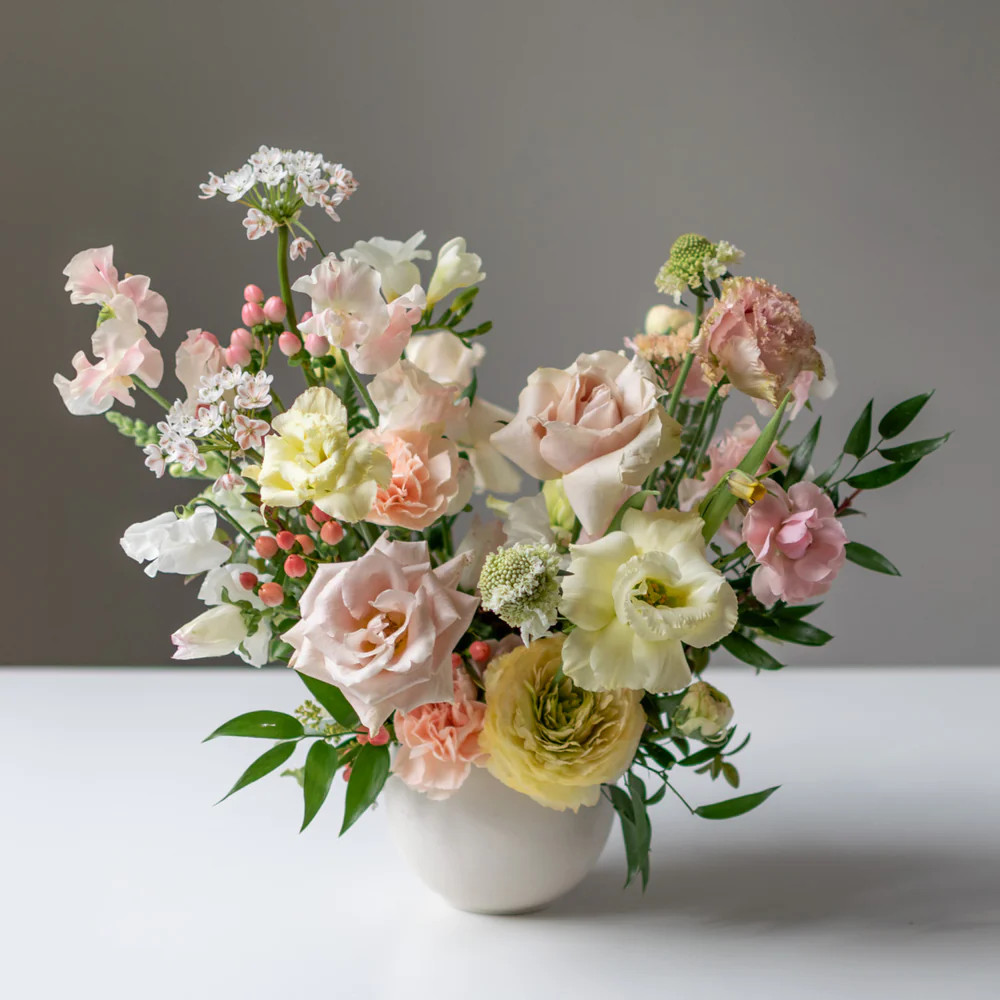
Conclusion
Sustainability doesn’t have to be complicated. It also doesn’t mean giving up the joy of fresh flowers. By choosing sustainable flowers when they’re available, you can make a positive impact while still enjoying stunning arrangements.
Maybe you are drawn to the idea of organic, locally sourced flowers. Or perhaps you simply want to reduce waste. Regardless of your specific sustainability goals, there are plenty of ways to align your floral choices with your values.
If you are ready to explore environmentally friendly flowers, visit gidasflowers.com to see our latest offerings, or stop by in person. Our florists are committed to helping you find beautiful, thoughtfully sourced arrangements that look great and make you feel good.