

Making Your Flowers Last With Flower Food Packets & Powders
5th Mar 2026
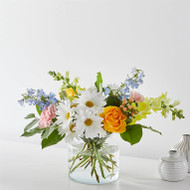
What’s better than walking into a room to the greeting of a fresh, vibrant bouquet? It doesn’t matter why you have the bouquet – if someone gave it to you or you bought it yourself. There’s just something about fresh flowers that makes life brighter. That’s why it’s so important that your bouquet lasts as long as possible.
We’ve all felt that pang of disappointment when our flowers start to wilt. So how can we stop that from happening? That’s where science steps in to help. You’ve likely noticed those small flower food packets tucked into the stems of your bouquet or taped to the side of the vase. Many people toss them aside or use them once and forget about them, but those little sachets are the secret to longevity.
In this guide, we’re going to tell you everything you need to know about cut flower food. Beyond the simple instructions printed on the back of the box or sachet, we’ll cover what’s inside that mysterious powder, how it keeps flowers upright, and how you can select the best flower food to ensure your home stays fragrant and colorful for as long as possible.
What’s Inside Flower Food
To understand why we use flower food powder, we first have to understand what happens to a flower once it is cut. When a flower is still in the soil, it has a sophisticated support system that provides water, nutrients, and protection from harmful bacteria. Cut flower food is like a life support system that replaces the flower’s natural means of survival.
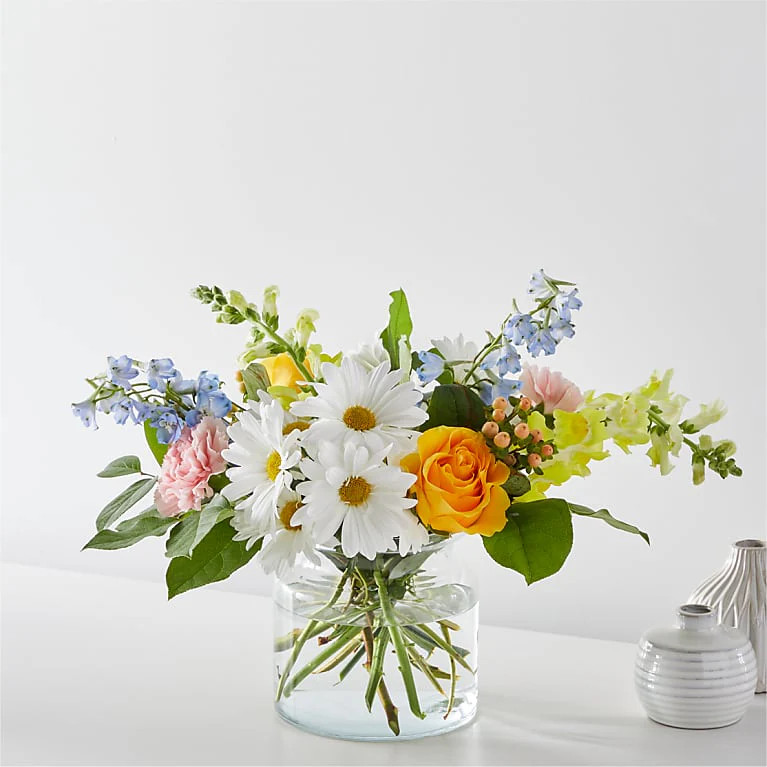
Most quality flower foods contain carbohydrates, acidifiers, and biocides. Carbohydrates, more popularly referred to as sugar, make up the “food” part of the equation. Once a flower is cut, it can no longer photosynthesize to feed itself, so the carbohydrates feed it instead. Acidifiers, on the other hand, help plants to drink. Most tap water is slightly alkaline. This makes it harder for a plant’s stem to pull the water up to the head. Acidifiers solve this problem by balancing the alkalinity of the tap water and ensuring the plant can drink as much as it needs. Finally, biocides are the scariest part of flower food, but they’re essential. Biocides inhibit bacterial growth in the water and on the plant’s stem, ensuring the plant is safe from the harmful microbes that a root system would normally protect it from.
How to Effectively Use Flower Food Packets
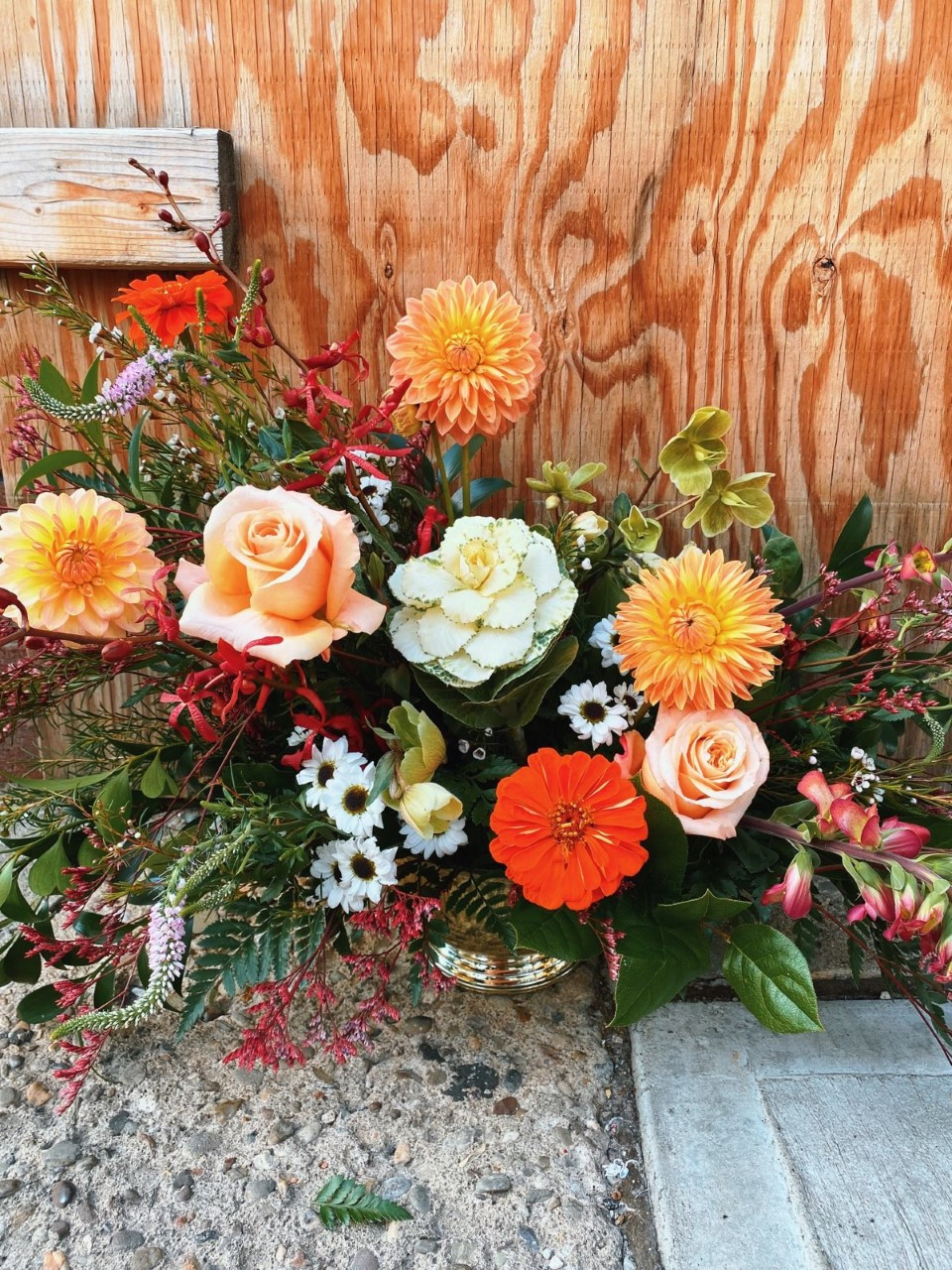
If you want your flowers to last as long as possible, you can’t just randomly dump the food into the water. To maximize the lifespan of your arrangement, follow these steps:
- Measure Your Water
Most flower food powder is formulated for a specific ratio – usually one packet per pint or quart of water. If you use too much water, the solution is too diluted to kill bacteria; if you use too little, the sugar concentration might be high enough to dehydrate the stems. Check the back of your specific packet for measurement instructions. - Start with a Clean Slate
Before you even open the packet, ensure your vase is clean. Use soap and a splash of bleach to scrub out any old residue. Bacteria from a previous arrangement is the number one enemy of fresh flowers. - Refresh Regularly
A common mistake people make is only using the food once. As the flowers “drink,” the water level drops, and the remaining solution becomes concentrated with debris. Ideally, you should change the water every 2-3 days. When you do, you should also add a fresh dose of food. It’s often a great idea to ask your florist for a few extra packets or keep a larger container of plant food on hand so you can continually replenish. - Re-Trim the Stems
Every time you change the water and add new food, snip your stems at a 45-degree angle. This opens up the vascular system of the flower, allowing it to soak up the nutrient-rich solution immediately.
Selecting the Best Flower Food for Cut Flowers
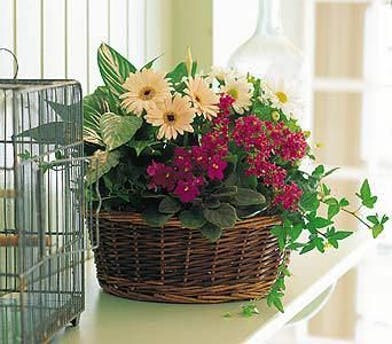
All of the flower food containers on the shelf at your local garden center may look equal, but they certainly are not. While the free packets that come with your bouquet are great for general use, there are different formulations depending on your needs.
Universal powders are the standard packets that come with most bouquets. They work well for a mix of blooms, and are balanced to provide a broadly-applicable solution that can feed anything from a red rose to a wild daisy.
However, if your bouquet has more specialized needs, there are a range of more fine-tuned formulas that you can look into. Some flowers require much more food and water than normal. For example, bulb flowers like tulips and hyacinths benefit from formulas with richer nutrients that prevent stems and flowers from stretching too long or drooping.
Finally, if you’re using a clear vase and the appearance of the water is important to you, look for clear formulas of plant food that will not cloud up the water when applied.
When comparing types of flower food, always opt for professional-grade brands. You may have heard of home remedies, like adding aspirin, a penny, or lemon-lime soda to water instead of plant food. These are commonly recommended hacks, but they are almost never as effective as professionally balanced plant powders.
Conclusion
Caring for flowers is both an art and a science. By understanding the role of flower food, you transition from being a casual flower appreciator to a caretaker. Those little packets that come with the bouquet are more than a courtesy from your florist; they are a carefully engineered cocktail designed to fight off bacteria, balance pH levels, and provide the energy your blooms need to shine.
Ready to put your floral-care skills to the test? Whether it’s a stunning centerpiece for a dinner party or a bright pick-me-up for your desk, Gidas Flowers has the freshest and highest quality stems in Pittsburgh. Stop by our store or reach out online today!